
TL;DR
- When a child experiences a cardiac emergency or life-threatening medical crisis, every second counts.
- This guide explains what Advanced Cardiac Life Support (ACLS) and Pediatric Advanced Life Support (PALS) are, when these specialized emergency interventions are needed, and how Friendswood ER delivers hospital-level cardiac care for patients of all ages without long wait times.
Searching for reliable, 24-hour emergency care in Friendswood, TX?
Friendswood ER delivers 24-hour emergency care that Friendswood families rely on for cardiac and pediatric emergencies—without long waits.
What Are Advanced Cardiac Life Support and Pediatric Advanced Life Support?
ACLS and PALS are specialized, evidence-based protocols used by medical teams to treat the most critical, life-threatening emergencies in adults and children.
Think of them as the highest level of emergency medical response, beyond basic CPR. When a patient’s heart stops, they’re having a severe stroke, or a child is in respiratory distress, these evidence-based guidelines and training help physicians and nurses navigate complex decision-making. At Friendswood ER, our board-certified emergency physicians and nursing staff are continuously certified in these advanced protocols.
enience.
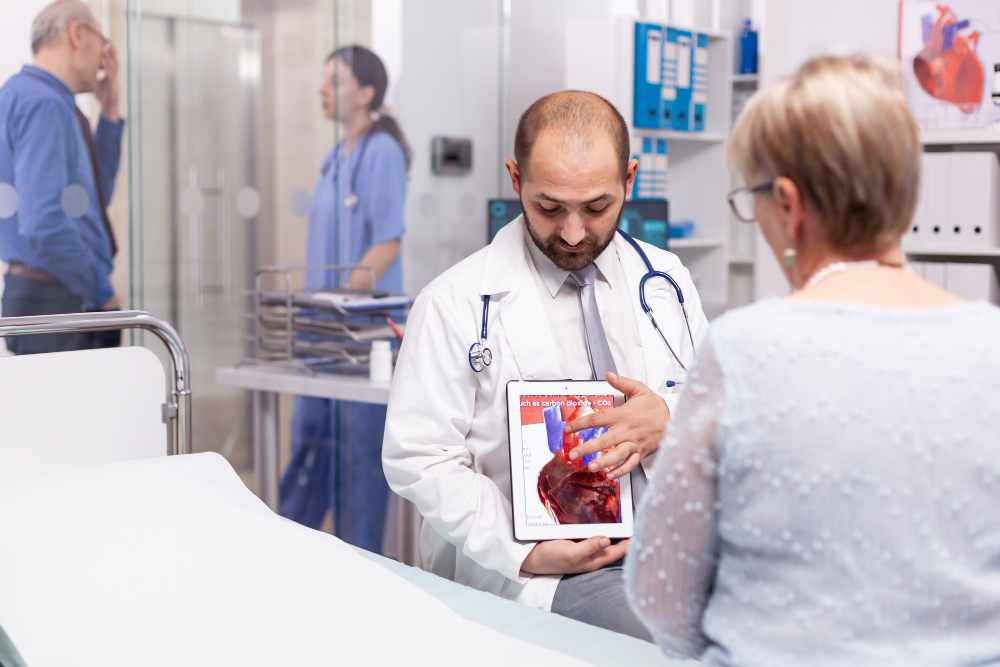
Advanced Cardiac Life Support (ACLS)
ACLS is a set of proven emergency protocols used to treat serious heart-related conditions. It goes far beyond basic first aid or CPR.
ACLS focuses on:
- Rapid recognition of cardiac arrest and dangerous heart rhythms
- Immediate defibrillation when needed
- Advanced airway support to help patients breathe
- Emergency medications to stabilize heart function
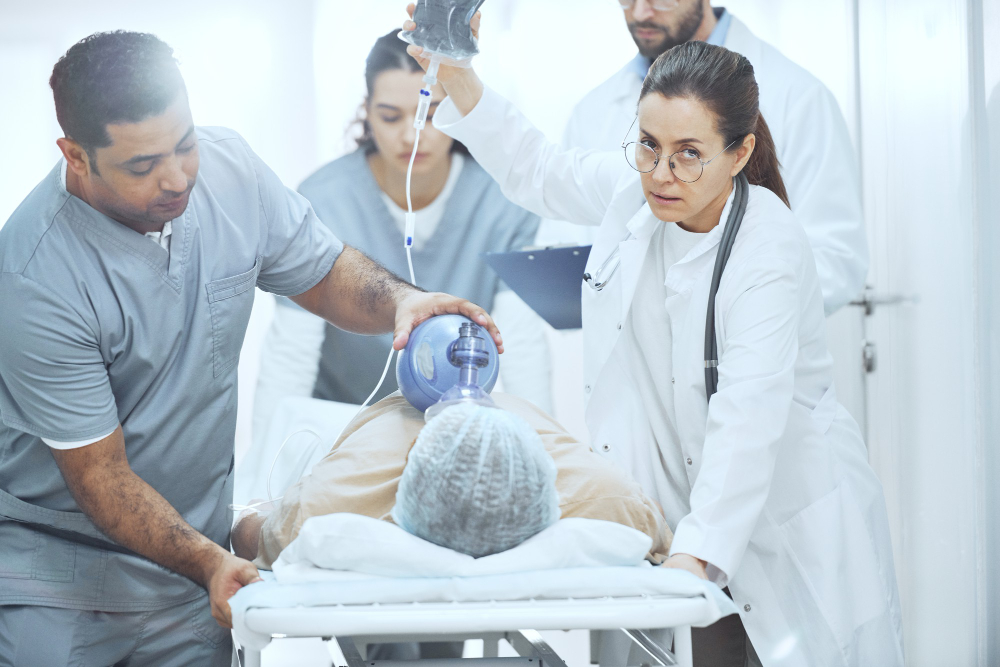
Pediatric Advanced Life Support (PALS)
Children are not just small adults. Their bodies respond differently to illness and injury, which is why Pediatric Advanced Life Support (PALS) exists.
PALS provides:
- Age-specific airway and breathing support
- Child-appropriate medication dosing
- Specialized equipment for infants and children
- Calm, child-focused emergency care
Having a team proficient in both ACLS and PALS means Friendswood ER is prepared for the entire family’s most urgent medical needs, from a grandparent’s chest pain to a toddler’s high fever with difficulty breathing.
When Does a Child Need Emergency Cardiac Care?
Recognizing cardiac emergencies in children can be challenging because symptoms often differ from what adults experience. Parents should seek immediate pediatric emergency care in Friendswood if their child shows any of these warning signs:
Severe breathing problems that don't improve with rest, including gasping, grunting, or inability to speak in full sentences. If your child's lips or skin turn blue or gray, it indicates dangerously low oxygen levels and requires immediate intervention.
Chest pain combined with other symptoms such as sweating, nausea, dizziness, or fainting. While chest pain in children is less commonly cardiac than in adults, it should never be dismissed when accompanied by these additional signs.
Rapid or irregular heartbeat that you can see or feel, especially if your child appears confused, weak, or loses consciousness. Heart rates above 200 beats per minute in infants or above 180 in older children warrant emergency evaluation.

Loss of consciousness or seizure activity combined with abnormal breathing patterns. These symptoms may indicate the heart isn't delivering enough oxygen to the brain.
Don't wait to see if symptoms improve. A walk-in emergency room in Friendswood allows you to bring your child immediately without calling ahead, where trained staff can assess whether PALS interventions are needed.
How Fast Is Care at Friendswood ER During Life-Threatening Emergencies?
Speed matters in cardiac and pediatric emergencies. Friendswood ER prioritizes rapid evaluation and treatment from the moment patients arrive.
Patients benefit from:
Immediate triage by experienced emergency staff
On-site emergency imaging and lab services
Advanced monitoring and resuscitation equipment
Families searching for “an emergency room near me” often choose Friendswood ER because they receive prompt attention without the congestion common in larger hospitals.
Does a Freestanding ER Treat Children and Cardiac Emergencies?
Yes. A freestanding ER is designed to handle the same emergencies as a hospital-based emergency department.
Friendswood ER provides:
- Full ACLS and PALS capabilities
- Pediatric-appropriate equipment and care
- Advanced diagnostics, including labs and imaging
- 24/7 physician coverage
For parents asking, “Does a freestanding ER treat children?” the answer is yes, especially for urgent, life-threatening situations that cannot wait.
What Should You Expect During an Advanced Life Support ER Visit?
Knowing what happens during an emergency visit can ease anxiety for families.
- Arrival and triage – Patients are assessed immediately based on symptoms, not arrival order.
- Rapid stabilization – The care team focuses on airway, breathing, and circulation first.
- Diagnostics and monitoring – On-site labs and imaging help guide treatment decisions quickly.
- Ongoing communication – Families receive clear explanations at every step, with compassionate support throughout the visit.
You can learn more about the full range of services available at Friendswood ER’s emergency care services by visiting.
What Makes Pediatric Cardiac Emergencies Different from Adult Cases?
Children's hearts, lungs, and circulatory systems function differently from adults, which is why PALS certification matters. Emergency teams trained in pediatric emergency care at Friendswood ER understand these critical differences.
As a result, our emergency care features:
- Weight-based medication dosing
- Child-sized equipment
- Age-specific vital signs
- Respiratory-triggered cardiac issues
- Behavioral assessment skills
- Family-centered care
Our freestanding ER facility in Friendswood, TX, offers PALS certification to ensure your child receives specialized care immediately, not after transfer to a children's hospital.
Frequently Asked Questions (FAQs)
Does Friendswood ER treat children with cardiac emergencies?
Yes, freestanding emergency rooms with PALS-certified staff provide specialized pediatric cardiac care. These facilities stock child-sized equipment, calculate weight-based medication doses, and employ providers trained specifically in pediatric emergencies. Parents don't need to drive to distant children's hospitals when a pediatric emergency care facility with proper certification is available nearby.
How long does cardiac emergency treatment take?
Initial stabilization typically occurs within the first 30 minutes, but total treatment time varies based on the specific problem. Simple arrhythmia correction might take an hour, while heart attack treatment requiring transfer to a cardiac catheterization lab takes longer. Emergency teams focus on rapid stabilization first, then definitive treatment.
Can family members stay during cardiac resuscitation?
Most modern emergency facilities recognize that family presence during resuscitation can benefit both patients and loved ones. Staff members typically assign someone to support family members, explain what's happening, and ensure they don't interfere with medical care. Policies vary by facility and situation, but the trend strongly favors family-centered care.
What if the ER determines my child needs specialized cardiac surgery?
Freestanding emergency rooms stabilize patients and coordinate transfers to appropriate specialized facilities when needed. The key advantage is receiving immediate life-saving treatment locally while transfer arrangements are made, rather than attempting to drive a critically ill child long distances before receiving any intervention.
Are cardiac emergency services more expensive than urgent care?
Emergency care costs more than urgent care because it provides substantially different services—life-saving equipment, specialized staff, 24/7 physician coverage, and comprehensive diagnostic capabilities. Most insurance plans cover emergency services, though cost-sharing applies. When facing genuine cardiac emergencies, cost concerns shouldn't delay treatment, as permanent damage or death costs far more than emergency care bills.
Get Immediate Cardiac Care When You Need It Most
Visit Friendswood ER immediately or call ahead if you have questions about whether your symptoms require emergency evaluation.