
TL;DR
- A central venous catheter (CVC) is a medical device that provides reliable access to your bloodstream for treatments ranging from emergency care to long-term therapy.
- This guide explains what CVCs are, when they're used in emergencies, how they differ from regular IVs, and what to expect during emergency care at Friendswood ER.
Friendswood ER provides expert 24/7 care for critical procedures. Know when to seek help. Visit us now.
A medical emergency can be overwhelming, especially when doctors mention procedures you’ve never heard of. One of those is a central venous catheter, often called a central line. It sounds complex, but understanding it can ease anxiety and help you make confident decisions.
This guide is for patients, parents, families, and caregivers in and around Friendswood, TX who want clear, reassuring answers. By the end, you’ll know when a CVC is needed, what conditions require emergency care, how fast care typically happens, and why a freestanding emergency room can be the right choice when every minute matters.
What Is a Central Venous Catheter (CVC)?
A central venous catheter is a long, thin, flexible tube that emergency care providers insert into one of your body's large veins. The tube travels through your vein until its tip reaches the vena cava—the large vein that empties directly into your heart. The other end of the catheter stays outside your body or just beneath your skin, providing an access point for medical treatments.
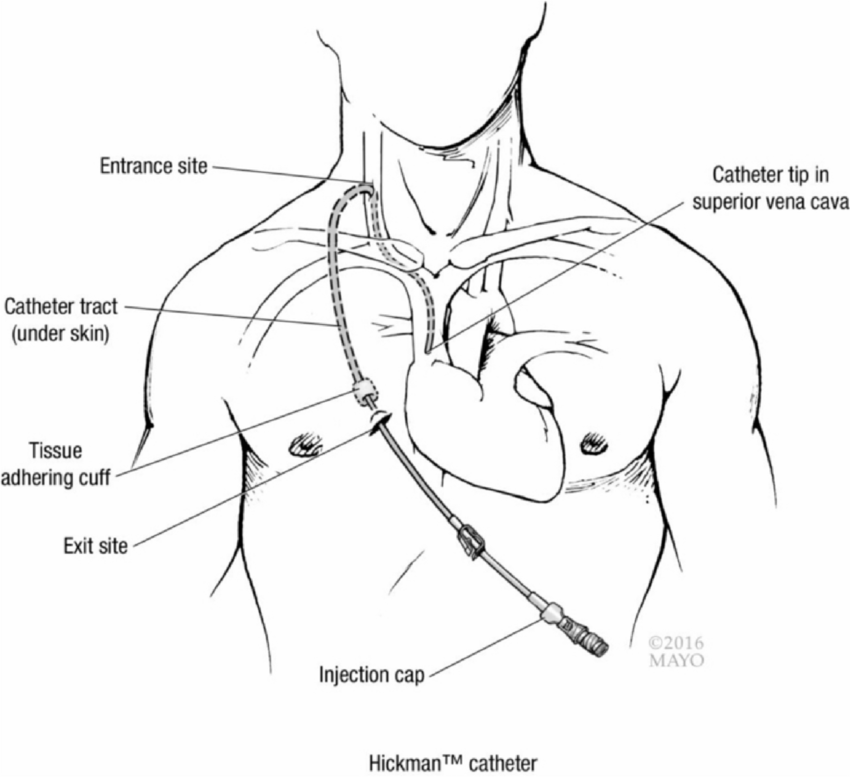
CVCs come in several types, each designed for specific medical needs. Some catheters have multiple channels, called lumens, which allow doctors to deliver different medications simultaneously. The type you receive depends on your medical condition and how long you'll need the device.
How CVC differs from a regular IV:
Placement
A CVC goes into a deep, large vein; a regular IV goes into a small vein in the hand or arm
Speed and volume
Central lines deliver fluids and medications faster
Duration
Some CVCs stay in place longer than standard IVs
Comfort
Fewer needle sticks for repeated treatments
Doctors choose a CVC when precision and speed are essential.
When Does Emergency Care Require a Central Venous Catheter?
Emergency rooms use central venous catheters in several critical situations. Understanding when a CVC becomes necessary helps you recognize the seriousness of certain medical conditions.
Life-threatening emergencies that often require CVC placement include:
- Severe dehydration or shock requiring large volumes of fluids rapidly
- Major trauma with significant blood loss needing transfusions
- Sepsis or severe infections requiring powerful antibiotics
- Heart rhythm problems requiring emergency medications
- Respiratory failure needing specialized treatments
- Severe electrolyte imbalances that must be corrected quickly
When you visit an emergency room in Friendswood, TX, the medical team evaluates your condition to determine if a CVC is necessary. The decision depends on factors such as the severity of your illness, the medications required, and the urgency of treatment.
What Happens During Central Venous Catheter Placement?
Knowing what to expect during CVC placement can ease anxiety about the procedure. While the process may sound intimidating, emergency care teams use proven techniques to make it as safe and comfortable as possible.
Here is the process to expect at Friendswood ER:
Before the Procedure
Your doctor will explain why you need the catheter and obtain consent when possible. In true emergencies, the team may need to proceed immediately to save your life. You'll be positioned appropriately depending on which vein will be used, and the area will be thoroughly cleaned with an antiseptic solution.
During Placement
The physician numbs the skin and uses ultrasound guidance to visualize the vein and avoid nearby structures. A small needle enters the vein, followed by a thin wire. The physician then threads the catheter over this wire until it reaches the proper position. The entire process typically takes 15 to 30 minutes, though this varies based on complexity.
After Insertion
A chest X-ray confirms proper placement of catheters in the neck or chest area. The catheter is secured with stitches and covered with a sterile dressing. Your care team will monitor you for any complications and ensure the catheter functions correctly before using it for treatment.
Facilities offering emergency care near Friendswood maintain the highest standards for CVC placement, using ultrasound guidance and sterile technique to minimize risks. The procedure requires specialized training, which is why freestanding emergency rooms' staff physicians are experienced in performing these interventions.
Can Children Receive A Central Line or Emergency Treatment?
Yes. Does a freestanding ER treat children? Absolutely.
Children may need emergency IV access for:
- Severe dehydration
- Serious infections
- Trauma or burns
- Medication delivery during critical illness
The pediatric emergency care Friendswood families depend on includes child-friendly staff, appropriately sized equipment, and calm, compassionate care, even during complex procedures like central line placement.
ER Vs Urgent Care: How Do You Choose in Friendswood?
Knowing the difference can save time and lives.

Choose urgent care for:
- Minor cuts or burns
- Cold or flu symptoms
- Mild sprains
- Ear or sinus infections
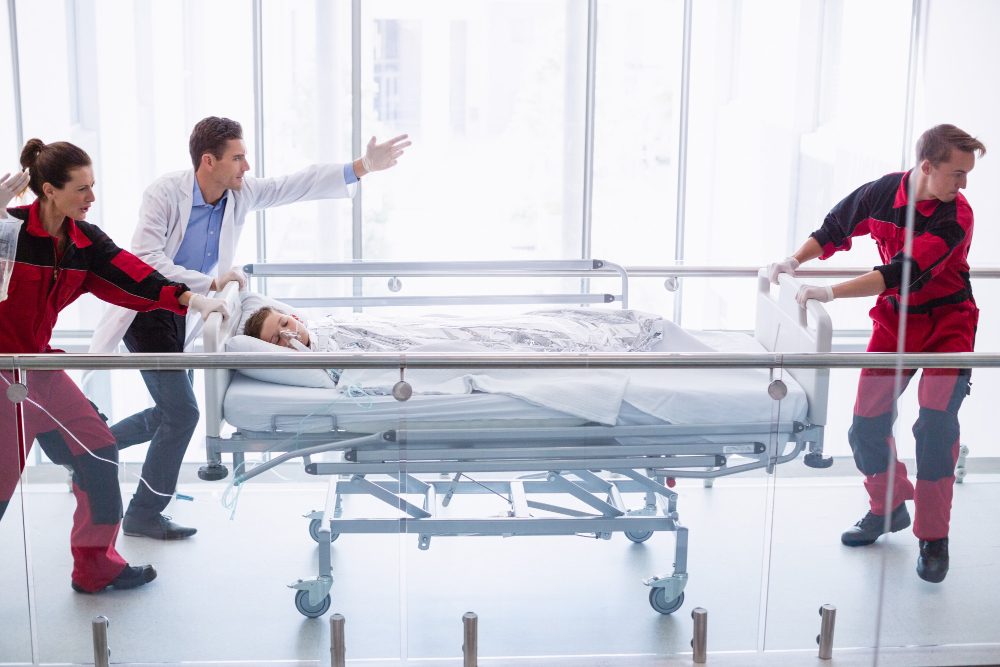
Choose the ER for:
- Life-threatening symptoms
- Severe pain or injuries
- Conditions needing IV medications, imaging, or lab services
- Situations where you need emergency care without a long wait
If you’re unsure, it’s safer to visit a walk-in emergency room that Friendswood families rely on for comprehensive care.
What Services Does A Freestanding Emergency Room Provide?
A freestanding ER offers the same level of emergency care as a hospital ER—without being attached to a hospital building.
At Friendswood ER, services include:
- 24-hour emergency care that Friendswood residents can access anytime
- Emergency imaging and lab services on-site
- Advanced IV therapy and central line placement
- Pediatric emergency care that Friendswood parents trust
- Rapid evaluation and treatment
If you need ER services near me with speed and expertise, a freestanding ER delivers hospital-level care close to home.
How Fast Is Care At An Emergency Room in Friendswood?
Wait times matter, especially during emergencies.
At Friendswood ER, patients typically experience:
- Minimal wait times
- Immediate triage
- Fast diagnostic testing
- Quick access to emergency physicians
This is a major reason families choose emergency care without a long wait, instead of crowded hospital ERs in nearby areas like Clear Lake, Pearland, League City, and Alvin.
Frequently Asked Questions (FAQs)
When should I go to the emergency room instead of urgent care?
Go to the ER for chest pain, breathing trouble, severe injuries, confusion, or symptoms that feel life-threatening. These conditions often need advanced testing and IV treatment.
Is a freestanding ER the same as a hospital ER?
Yes. Freestanding ERs provide hospital-level emergency care, including imaging, labs, and advanced procedures, without being inside a hospital.
How long is the wait at an emergency room in Friendswood?
Wait times are usually short. Most patients are seen quickly, especially compared to busy hospital ERs.
Does a freestanding ER treat children?
Yes. Freestanding ERs provide full pediatric emergency care, including IV therapy and urgent treatment for children of all ages.
Can I walk into Friendswood ER without an appointment?
Yes. Friendswood ER is a walk-in emergency room that Friendswood families can visit anytime, day or night.
Get Trusted Emergency Care When You Need It Most
Visit Friendswood ER immediately for the highest level of emergency care in Friendswood, TX. We are here for you, day or night, with the skills, technology, and compassion you deserve.