
TL;DR
- If you or a loved one has chest pain, a fast or irregular heartbeat, dizziness, or shortness of breath, cardiac monitoring and an EKG can quickly reveal serious heart problems.
- This guide explains when to go to the emergency room in Friendswood, TX, how cardiac monitoring works, and what to expect during care.
At Friendswood ER, our goal is to ensure you get the appropriate emergency care in Friendswood and the surrounding areas when heart health is on the line.
What Is Cardiac Monitoring?
Cardiac monitoring is the continuous observation of your heart's electrical activity and rhythm, essential for detecting life-threatening changes in real-time.
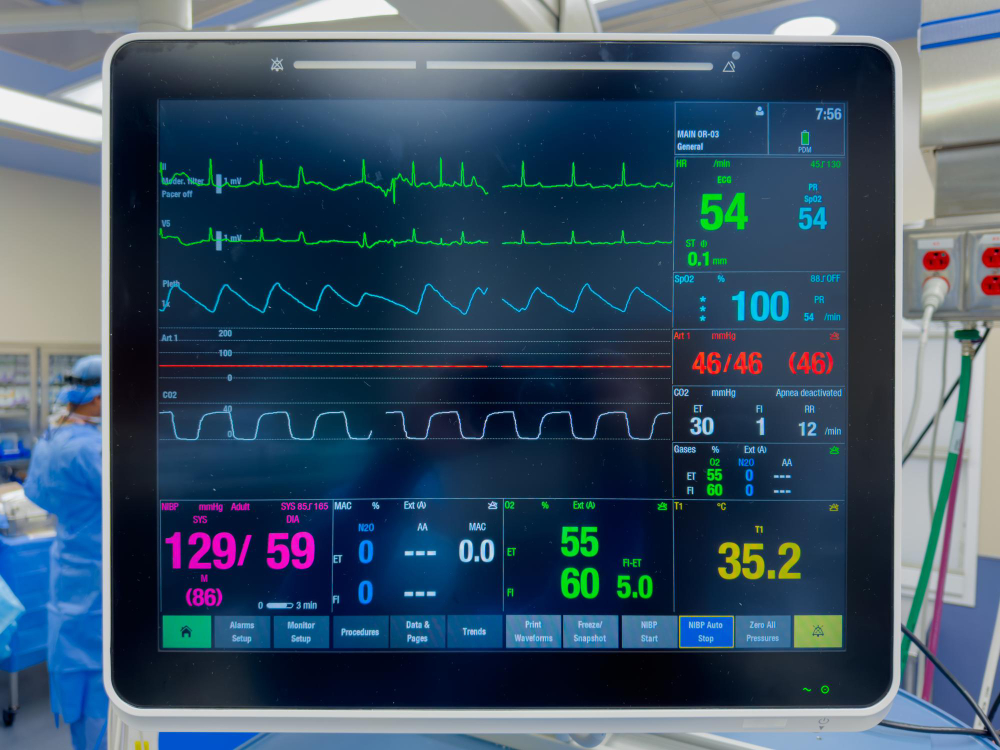
Unlike a single snapshot EKG, continuous cardiac monitoring provides:
- Real-time alerts when your heart rhythm becomes irregular or dangerous
- Immediate detection of worsening cardiac conditions during treatment
- Continuous data that helps emergency physicians make rapid treatment decisions
- Early warning signs of cardiac arrest or other life-threatening events
Why Does Cardiac Monitoring Matter in Emergencies?
When you arrive at an emergency room near me with potential heart symptoms, medical staff immediately attach monitoring equipment to track your heart rate, rhythm, and electrical patterns. This isn't just routine; it's a critical safety measure that allows emergency physicians to spot dangerous heart rhythms, detect ongoing heart attacks, and respond instantly to cardiac emergencies.
For patients experiencing chest pain, shortness of breath, or a suspected heart attack, cardiac monitoring begins the moment you enter a freestanding ER and continues throughout your entire visit. The Centers for Disease Control and Prevention (CDC) reports that about 805,000 Americans have a heart attack each year, making rapid cardiac assessment a cornerstone of emergency medicine.
When Should You Go To The Emergency Room For Heart Symptoms?
You should visit an emergency room immediately if you experience chest pain, severe shortness of breath, irregular heartbeat with dizziness, or any symptoms that could indicate a heart attack.
Heart emergencies don't always announce themselves with dramatic chest-clutching moments. Sometimes symptoms are subtle, confusing, or mistaken for indigestion or anxiety. Knowing when to seek ER services near me for cardiac concerns can save your life.
Visit an emergency room right away if you experience:
- Chest pain or pressure lasting more than a few minutes or coming and going
- Pain radiating to your jaw, neck, shoulders, arms, or back
- Severe shortness of breath with or without chest discomfort
- Sudden, rapid, or irregular heartbeat with dizziness or fainting
- Cold sweats, nausea, or lightheadedness with chest symptoms
- Feeling of impending doom or extreme anxiety with physical symptoms
Don't wait to see if symptoms improve. The heart muscle begins to die within minutes of blood flow interruption during a heart attack. The faster you receive treatment at an emergency room in Friendswood, TX, the better your chances of full recovery.
What Can An EKG Test Detect in an Emergency Room?
An electrocardiogram (EKG) can detect heart attacks, dangerous heart rhythms, heart enlargement, electrolyte imbalances, and evidence of past cardiac damage—all within minutes of your arrival.
An EKG is one of the most valuable diagnostic tools in emergency medicine because it provides immediate, detailed information about your heart's electrical system. When you receive an EKG at a walk-in emergency room at the Friendswood facility, small electrodes placed on your chest, arms, and legs record your heart's electrical signals and create a graph that emergency physicians can interpret instantly.
EKG testing reveals:
- Acute heart attacks show areas where blood flow is blocked
- Arrhythmias, including atrial fibrillation, ventricular tachycardia, and other rhythm disorders
- Heart enlargement that may indicate chronic heart disease or high blood pressure
- Electrolyte imbalances affecting heart rhythm
- Past heart attacks that left scarring on the heart tissue
- Inflammation around the heart (pericarditis)
- Medication effects that may be causing heart rhythm changes
The test itself is painless, non-invasive, and typically completed within 5-10 minutes. Modern freestanding emergency rooms use digital EKG systems that allow emergency physicians to analyze results immediately, often within seconds of completing the test.
How Fast Is Cardiac Care At Friendswood ER?
When heart health is at risk, speed matters.
At Friendswood ER, patients with cardiac symptoms receive:
- Rapid triage upon arrival
- Immediate EKG testing when indicated
- Continuous cardiac monitoring
- On-site emergency imaging and lab services
Many families choose a freestanding ER because it offers emergency care near Friendswood without the long waits often associated with large hospital systems.
Local patients from Clear Lake, Pearland, and League City often prioritize quick access when every minute counts.
Can Children Receive Cardiac Monitoring At A Freestanding ER?
Yes. Pediatric emergency care in Friendswood families depends on heart monitoring for children.
Children may need cardiac monitoring for:
- Chest pain or palpitations
- Fainting episodes
- Congenital heart concerns
- Severe infections affecting the heart rate
Freestanding ERs are equipped to treat both adults and children in emergencies. Staff are trained to adjust equipment and care approaches for pediatric patients.
If your child shows concerning heart-related symptoms, don’t wait. Seek emergency evaluation right away.
What Should You Expect During Cardiac Monitoring and EKG Testing?
Knowing what to expect can ease anxiety during an ER visit.
During cardiac monitoring:
|
During an EKG:
|
Depending on findings, providers may order:
|
Throughout your visit, the care team explains each step in clear and reassuring language.
Frequently Asked Questions (FAQs) About Cardiac Monitoring and EKG
How long does cardiac monitoring continue during an ER visit?
Cardiac monitoring continues throughout your entire emergency room visit, typically 2-6 hours for chest pain evaluation or until emergency physicians determine your heart rhythm is stable and test results rule out serious cardiac conditions. Some patients require ongoing monitoring during hospital admission.
Can a freestanding ER treat serious heart attacks?
Yes, freestanding emergency rooms provide the same immediate cardiac care as hospital ERs, including EKG testing, cardiac monitoring, emergency medications, and stabilization. If you need cardiac catheterization or surgery, the freestanding ER will rapidly transfer you to a cardiac center while continuing treatment during transport.
Will I get an EKG even if I'm not sure it's my heart?
Emergency physicians order EKGs for any symptoms that could potentially be cardiac-related, including chest discomfort, shortness of breath, unusual fatigue, or other concerning symptoms. It's better to rule out heart problems definitively than to miss a serious cardiac condition.
Does insurance cover emergency cardiac testing?
Most insurance plans cover emergency EKG testing and cardiac monitoring when medically necessary, though coverage and co-pays vary. Freestanding emergency rooms accept most major insurance plans, and staff can verify your coverage and discuss costs before treatment when possible.
What if my EKG is normal, but I still have symptoms?
A single normal EKG doesn't always rule out heart problems. Emergency physicians may order serial EKGs, extended cardiac monitoring, blood tests, and additional imaging to thoroughly evaluate your symptoms. Some cardiac conditions don't show on initial testing and require a comprehensive evaluation.
Get Emergency Cardiac Care Now
Visit Friendswood ER now if you're experiencing chest pain, shortness of breath, irregular heartbeat, or any concerning cardiac symptoms. Our team is ready to provide the rapid, expert care your heart needs.