
TL;DR
- If someone cannot breathe well on their own, emergency doctors may use ventilation and intubation to protect the airway and deliver oxygen.
- This guide explains what these procedures are, when they are needed, and what patients and families can expect during emergency care.
Friendswood ER provides immediate, hospital-level emergency care, including advanced respiratory support, for adults and children without the long wait times often associated with traditional hospital ERs.
What Are Ventilation and Intubation?
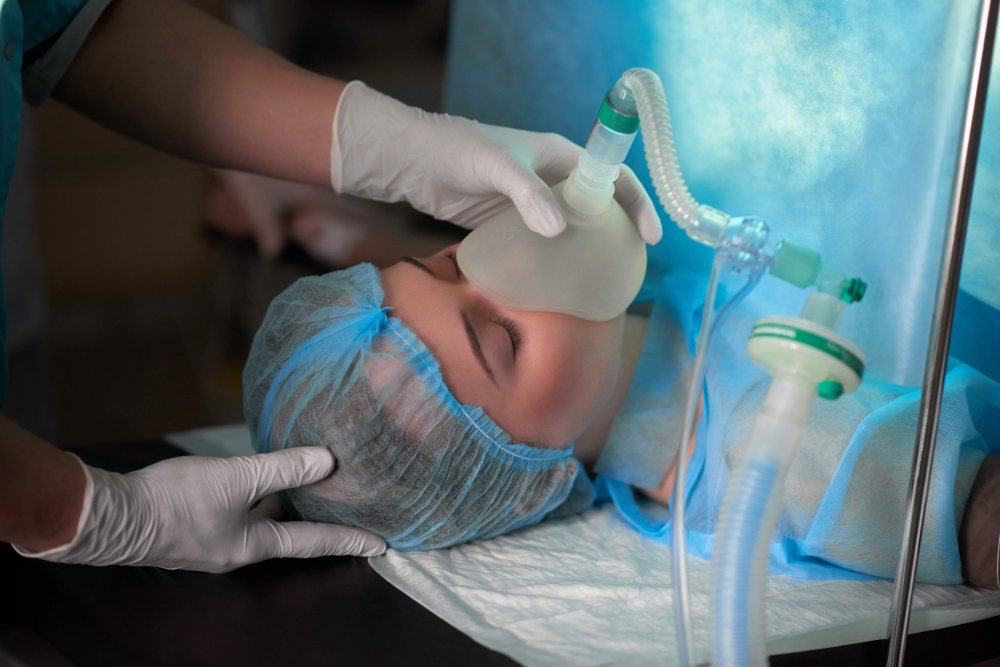
Intubation is the procedure where a doctor places a flexible plastic tube through a patient’s mouth and into their windpipe (trachea). This tube secures an open airway, ensuring oxygen can reach the lungs even if the patient is unconscious or unable to breathe on their own.
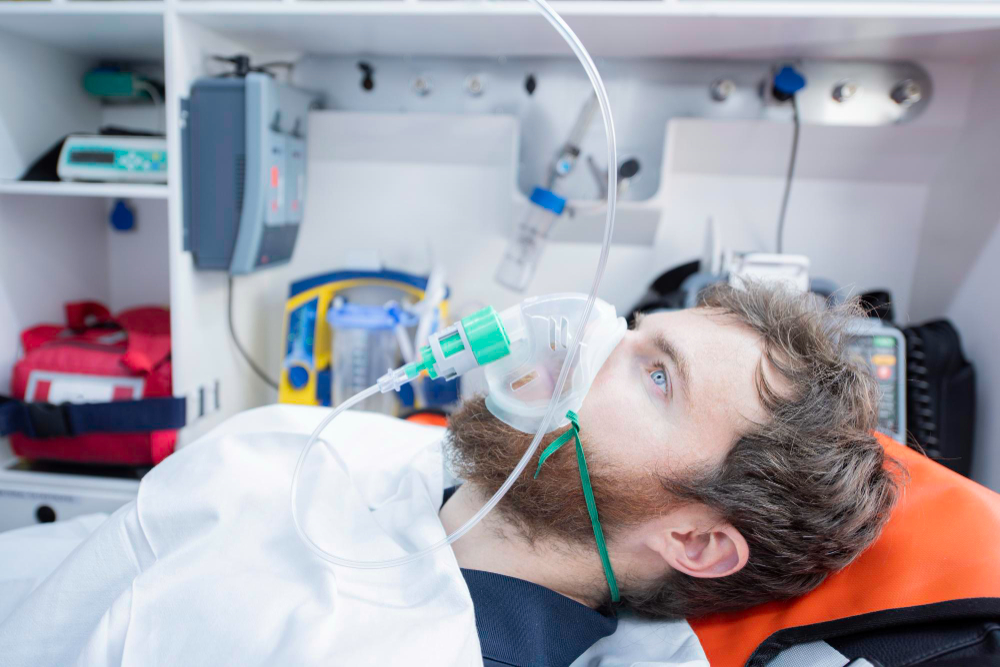
Ventilation is the process of supporting or completely taking over the work of breathing. Once the tube is in place, it’s connected to a ventilator (a breathing machine). This machine gently pushes a controlled mixture of air and oxygen into the lungs and helps remove carbon dioxide.
These procedures work together to keep your blood oxygen levels stable and remove carbon dioxide from your body when normal breathing fails. According to the National Heart, Lung, and Blood Institute (NHLBI), mechanical ventilation is essential for treating acute respiratory failure and preventing fatal oxygen deprivation.
When Should You Go to the Emergency Room for Breathing Problems?
You should go to the emergency room immediately if breathing feels hard, fast, shallow, or painful.
Although not every breathing difficulty requires emergency care, breathing emergencies can worsen quickly and should never be delayed. Visit an emergency room in Friendswood, TX, if you or a loved one experiences:
Severe breathing difficulty:
|
Changes in consciousness:
|
Visible physical signs:
|
Sudden onset symptoms:
|
These symptoms often require emergency care, not urgent care. Delaying care can be life-threatening.
What Medical Conditions Require Ventilation or Intubation?
Ventilation and intubation are used for serious, life-threatening conditions that affect breathing. Understanding these situations helps you recognize when emergency care becomes necessary.
Common emergencies include:
Respiratory failure conditions:
- Severe pneumonia overwhelming lung function
- Acute respiratory distress syndrome (ARDS)
- Chronic obstructive pulmonary disease (COPD) exacerbations
- Severe asthma attacks not responding to initial treatment

Cardiac emergencies:
- Cardiac arrest requiring resuscitation
- Heart failure causing fluid buildup in the lungs
- Heart attack with respiratory complications

Trauma and injury:
- Chest injuries affecting breathing
- Facial or neck trauma damaging the airways
- Severe burns, especially near the face or airway
- Smoke inhalation damage

Neurological conditions:
- A stroke affecting breathing centers in the brain
- Severe seizures
- Drug overdoses suppressing breathing
- Head injuries reducing consciousness
Patients needing 24-hour emergency care in Friendswood and the surrounding areas can receive these interventions immediately at Friendswood ER, where emergency physicians are trained in advanced airway management and critical care.
Is Ventilation and Intubation Safe for Children?
Yes. Ventilation and intubation are safely used in children when medically necessary.
Children may need breathing support for:
- Severe asthma
- Croup with airway swelling
- Serious infections
- Accidental injuries
At Friendswood ER, pediatric emergency care is provided by trained emergency physicians who adjust equipment and medications specifically for children. Parents searching for pediatric emergency care in Friendswood can feel confident that their child is treated with care, speed, and expertise.
What Happens During Ventilation and Intubation at Friendswood ER?
Emergency teams follow a calm, structured process to protect the patient and reduce discomfort.
Here’s what typically happens:
- Rapid assessment of breathing and oxygen levels
- Medication given to relax and keep the patient comfortable
- Careful placement of the breathing tube
- Connection to a ventilator for controlled breathing
- Continuous monitoring of oxygen, heart rate, and blood pressure
Friendswood ER also uses emergency imaging and lab services to identify the underlying cause and guide treatment decisions.
How Fast Is Emergency Care for Breathing Emergencies in Friendswood?
Speed matters when breathing is compromised.
One major advantage of a freestanding emergency room is emergency care without long wait times.
At Friendswood ER:
- Patients are seen quickly
- Critical care begins immediately
- No crowded hospital waiting rooms
This is especially important for families in Friendswood, Clear Lake, Pearland, League City, and Alvin who need fast, local emergency care.
ER vs Urgent Care: Where Should You Go for Breathing Problems?
Knowing whether breathing problems require emergency room care or urgent care treatment helps you get appropriate help quickly.

Urgent care may be appropriate for:
- Minor respiratory infections with mild symptoms
- Mild asthma symptoms responding to your usual medication
- Cold or flu symptoms without severe breathing difficulty
- Cough or congestion without distress

Always choose the emergency room for:
- Severe difficulty breathing or gasping
- Blue lips or fingernails
- Chest pain with breathing problems
- Sudden severe shortness of breath
- Inability to speak due to breathlessness
- Confusion or altered consciousness with breathing issues
- Severe allergic reactions
- Choking or airway obstruction
The Centers for Disease Control and Prevention (CDC) recommends seeking emergency care immediately for any severe breathing difficulty rather than waiting or trying urgent care first.
Frequently Asked Questions (FAQs) About Emergency Ventilation and Intubation
Is ventilation and intubation only used in extreme cases?
Yes, these procedures are reserved for serious respiratory emergencies when less invasive breathing support isn't sufficient. Emergency physicians try simpler interventions first, such as oxygen masks or non-invasive ventilation, before proceeding to intubation.
How long do patients typically stay on a ventilator?
Duration varies widely based on the underlying condition. Some patients need ventilation for just hours while emergency treatments take effect. Others require days or longer for conditions like severe pneumonia or ARDS to resolve enough for independent breathing.
Do freestanding ERs accept insurance for emergency ventilation services?
Most freestanding emergency rooms accept major insurance plans, though coverage and out-of-pocket costs vary by policy. It's worth noting that freestanding ERs are emergency facilities and bill as emergency services, which typically means higher costs than urgent care but equivalent to hospital ER billing.
Can you talk or eat while intubated?
No, the breathing tube passes through your vocal cords, making speech impossible. You cannot eat or drink by mouth while intubated because the tube occupies your airway. Patients receive nutrition through IV fluids or feeding tubes if ventilation continues beyond a day or two.
What happens if someone needs longer-term ventilation?
If extended ventilation becomes necessary, patients typically transfer from the emergency room to an intensive care unit (ICU). For very prolonged ventilation needs, physicians may perform a tracheostomy—creating an opening directly into the windpipe for a more comfortable long-term airway.
Get Emergency Respiratory Care at Friendswood ER Now
For immediate emergency care, visit Friendswood ER now or call ahead for any questions.